national parks vs conservancies
What’s The Difference And Why Does It Matter?
There is a moment on safari when the difference becomes impossible to ignore.
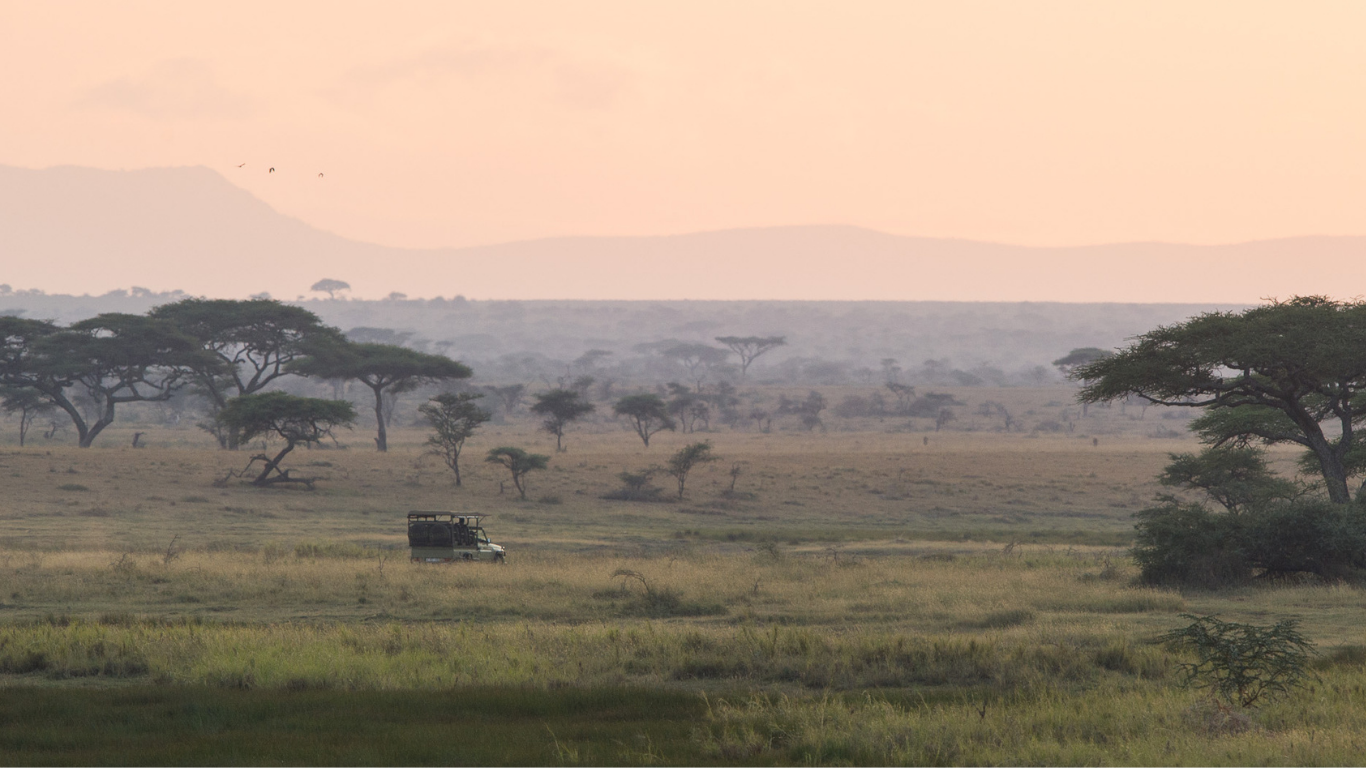
You arrive at a lion sighting inside a national park and find vehicles gathered quietly around the scene — cameras raised, guides speaking softly over radios, the atmosphere alive with anticipation. Days later, inside a conservancy, you sit alone beside a leopard moving through golden grass with no other vehicle in sight.
Both experiences are extraordinary.
But they feel entirely different.
Many travellers planning their first safari don’t realise that national parks and conservancies operate in fundamentally different ways. The landscapes may connect seamlessly, but the way they are protected, managed and experienced changes the rhythm of safari entirely.
Understanding that difference is one of the most important parts of planning well.
NATIONAL PARKS - THE ICONS OF SAFARI
National parks are government-managed protected ecosystems designed to preserve wildlife and landscapes on a national scale.
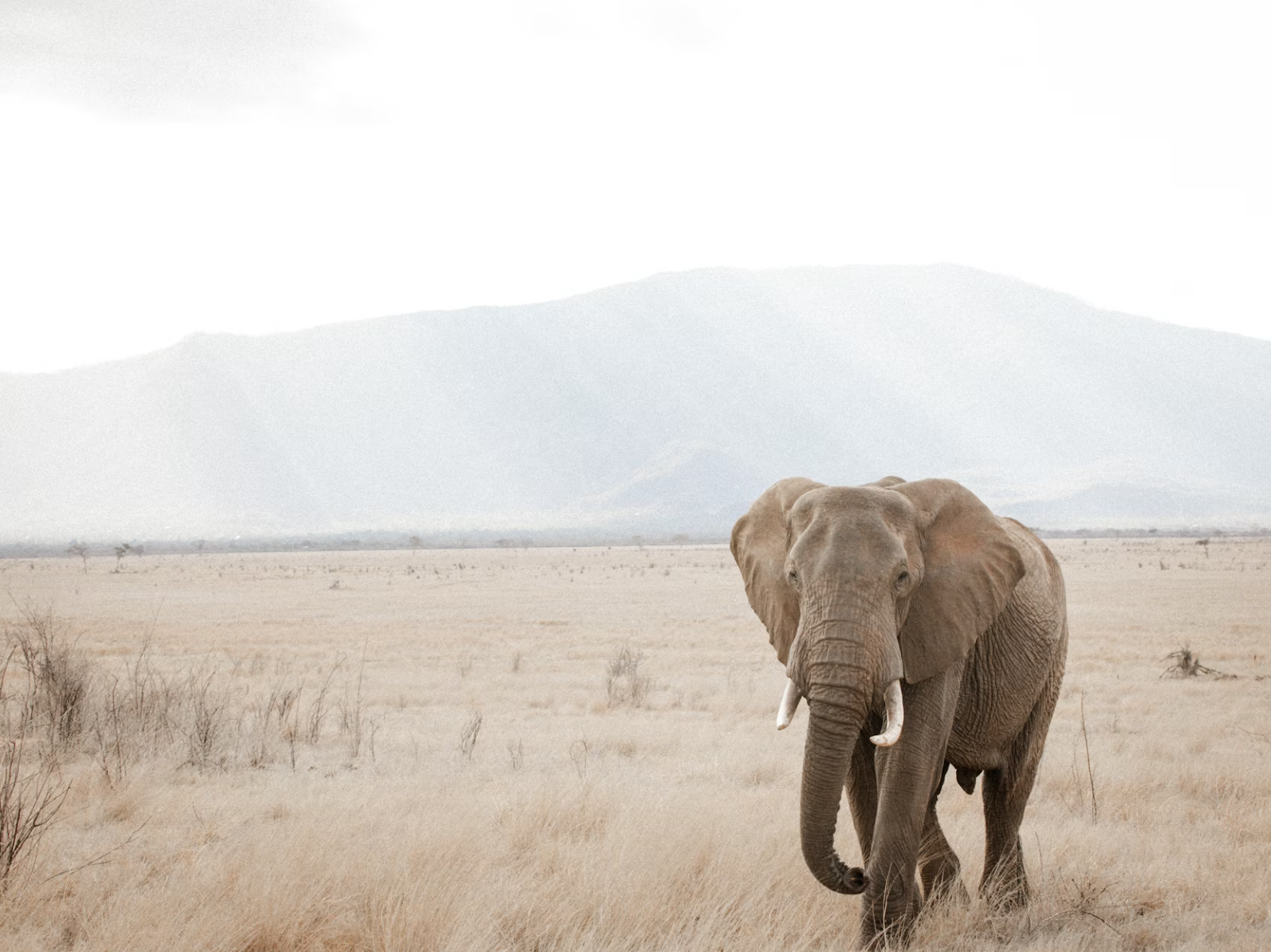
These are the places that shaped the world’s imagination of safari itself — the Masai Mara, Serengeti, Amboseli and Ngorongoro Crater. Vast landscapes. Extraordinary wildlife density. Migration crossings, elephant herds and some of Africa’s most iconic predator sightings.
They are famous for good reason.
National parks protect some of East Africa’s most important ecosystems and offer access to remarkable wildlife experiences, particularly during peak migration seasons when movement across the plains reaches its height.
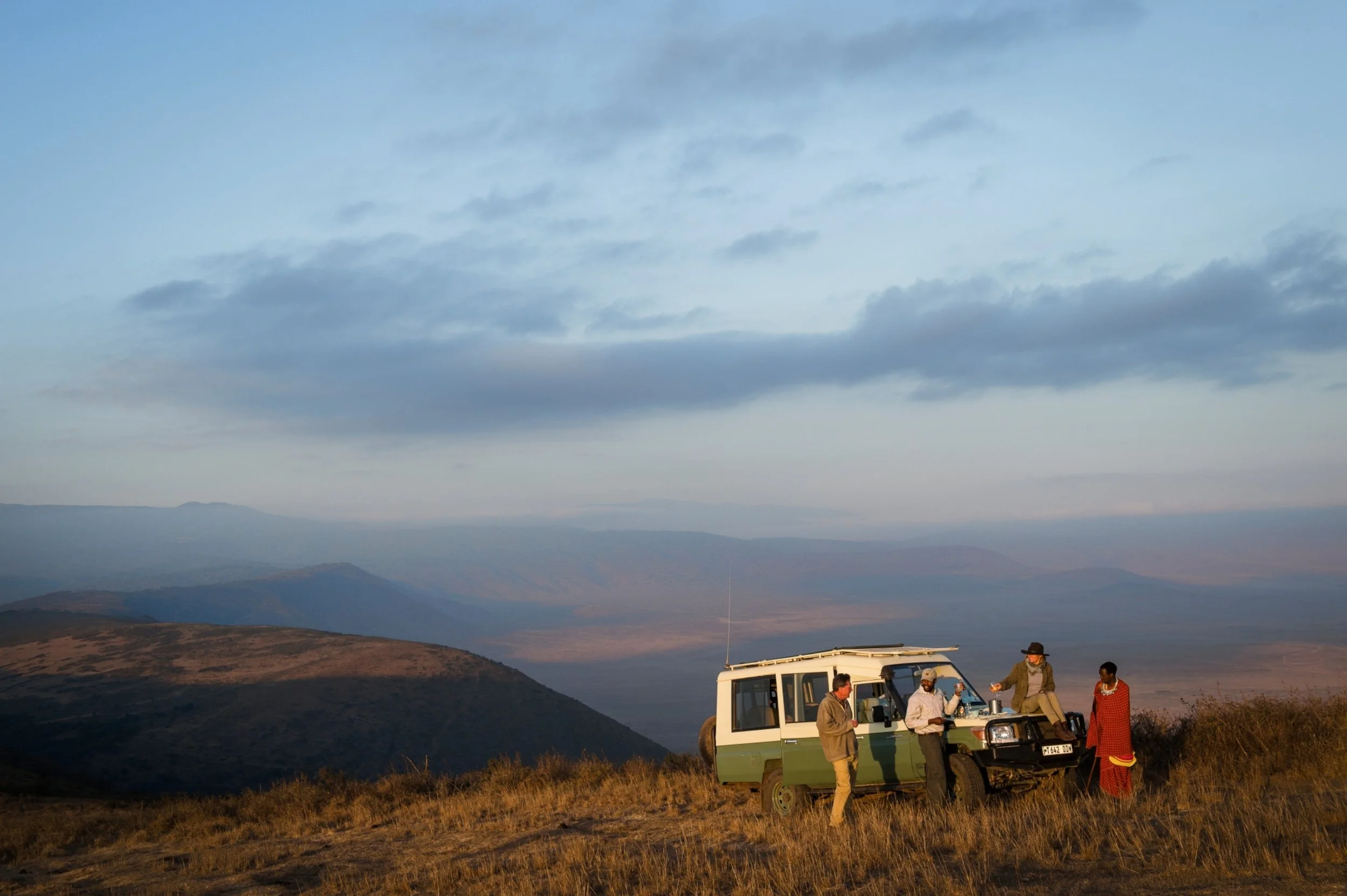
The scale can feel cinematic.
Immense skies. Endless horizons. Wildlife in every direction.
↳ These are the landscapes most travellers dream about first.
WHAT CHANGES INSIDE THE PARKS
Because national parks are publicly accessible to licensed safari operators, they also attract higher visitor numbers during peak periods.
Major sightings — particularly river crossings, big cats or cheetah hunts — can sometimes draw multiple vehicles at once. Strict regulations also shape how safaris operate within the parks. Off-road driving, night drives and walking safaris are generally prohibited in order to protect the ecosystem and minimise environmental impact.
For many travellers, this is still exactly the safari they want — iconic, energetic and wildlife-rich.
But others begin looking for something quieter.
↳ The wildlife remains wild. The experience feels different.
CONSERVANCIES - A DIFFERENT RHYTHM
Conservancies operate on an entirely different conservation model.
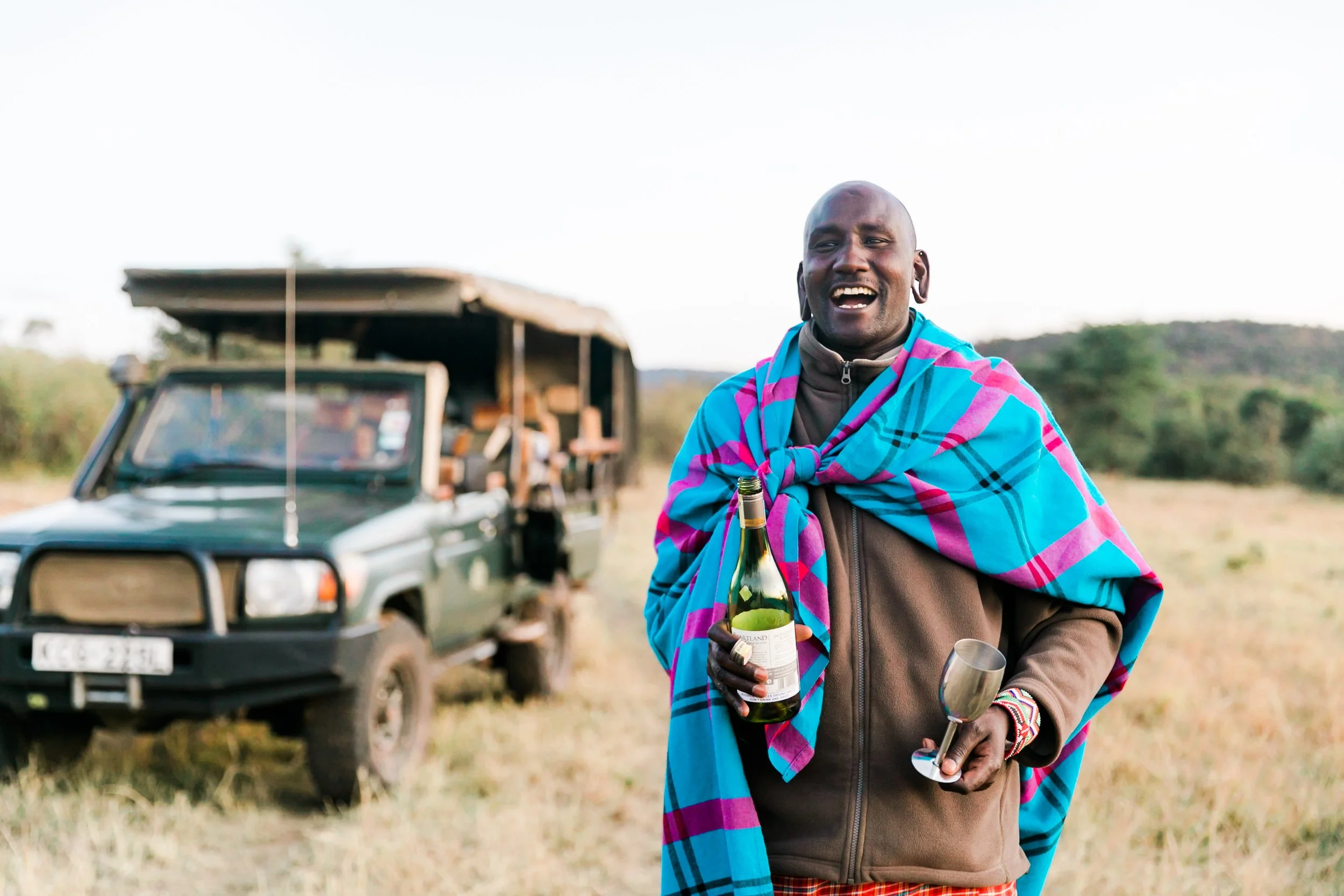
Many conservancies in Kenya are privately or community-managed wilderness areas, often established through partnerships with Maasai landowners who lease their land for conservation rather than agriculture or development.
Tourism revenue directly supports local communities while helping to preserve critical wildlife corridors beyond formal park boundaries.
This model changes everything once you enter the landscape.
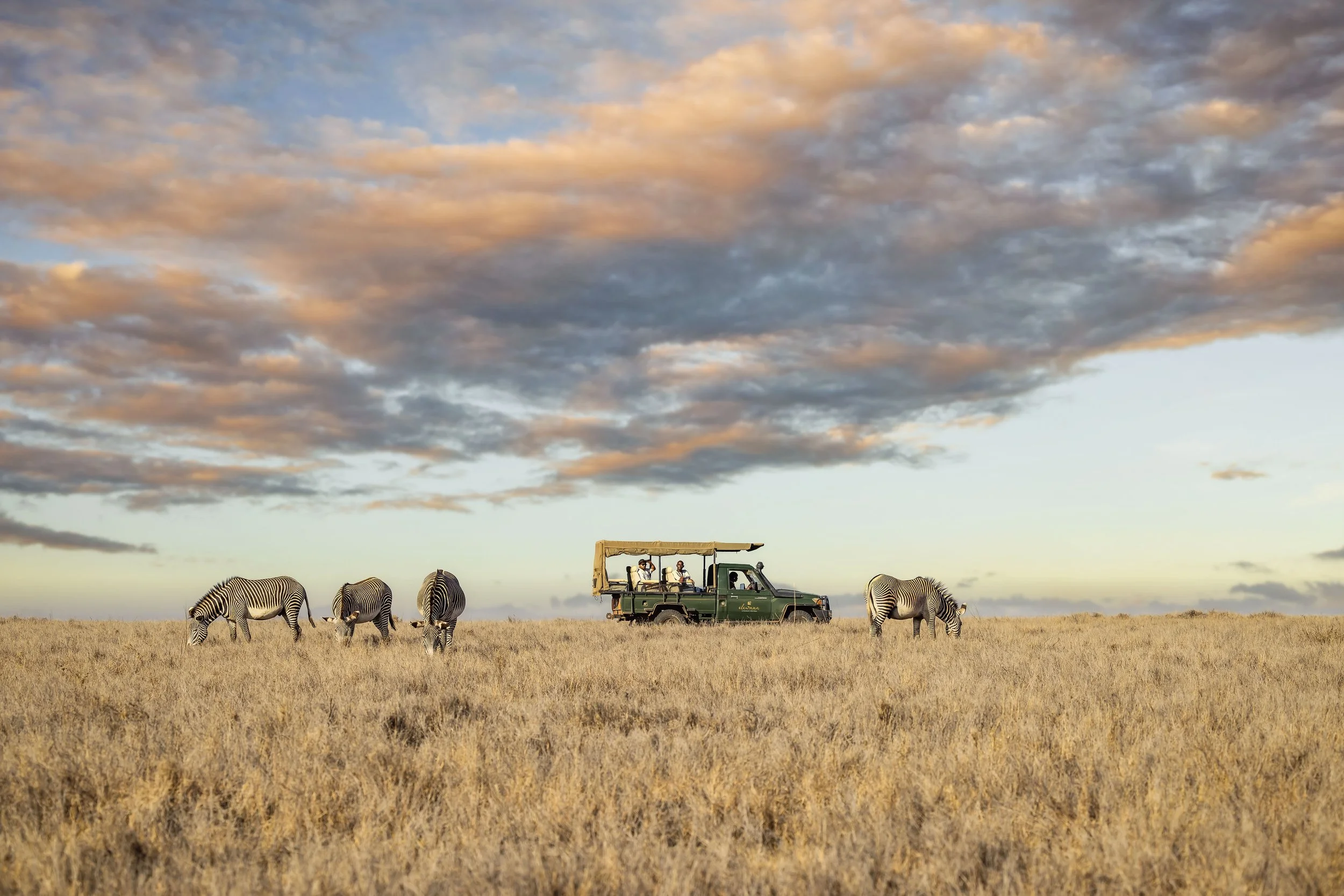
Vehicle numbers are intentionally limited. Camps are fewer. The pace slows noticeably. Wildlife sightings unfold more quietly, often without the sense of competition that can emerge in busier areas.
You begin noticing different things here.
Tracks in the dust.
Bird calls before sunrise.
The stillness between sightings.
↳ Conservancies feel less like observation and more like immersion.
WHY CONSERVANCIES FEEL DIFFERENT
The rules inside conservancies also allow for experiences unavailable in most national parks.
Guides are often permitted to drive off-road for wildlife sightings, allowing for more natural and flexible positioning around animals while maintaining ethical viewing distances. Night drives reveal an entirely different side of the bush — civets, aardwolves, porcupines and nocturnal predators rarely encountered during daylight hours.
Walking safaris reconnect travellers to scale and landscape in a completely different way. Suddenly, safari becomes about more than headline wildlife sightings. It becomes sensory.
The smell of rain approaching across dry earth.
The sound of insects rising at dusk.
The silence between conversations.
For many travellers, this slower pace becomes the most memorable part of the journey.
↳ Some safaris are remembered for the sightings. Others for how they made you feel.
THE FUTURE OF CONSERVATION
Conservancies are also playing an increasingly important role in the future of safari conservation across East Africa.
As wildlife populations move beyond formal park boundaries, conservancies help protect migration routes and ecosystems that would otherwise face pressure from development or agriculture. Many support schools, healthcare initiatives, anti-poaching programmes and long-term employment for local communities.
The relationship between conservation and community becomes far more interconnected.
This is one of the reasons many travellers are now choosing itineraries that combine both national parks and conservancies — experiencing the scale and spectacle of iconic reserves alongside the intimacy and slower rhythm of conservancy landscapes.
↳ The future of safari depends not only on protecting wildlife, but on protecting the communities living alongside it.
SO WHICH SHOULD YOU CHOOSE?
The honest answer is that the best safaris usually include both.
National parks offer scale, drama and iconic East African wildlife moments. Conservancies offer privacy, flexibility and a deeper sense of connection to the landscape itself.
One delivers spectacle.
The other delivers space.
Together, they create balance.
Because safari is never only about what you see.
It is also about how the landscape allows you to experience it.
Working With Immersion Safaris
Understanding the difference between national parks and conservancies changes the way you plan safari entirely. The right landscape shapes everything — from the pace of your days to the atmosphere around wildlife sightings and the overall rhythm of your journey.
At Immersion Safaris, we help travellers navigate those decisions thoughtfully, balancing iconic wildlife experiences with quieter, more immersive moments in the bush. Some journeys are built around the spectacle of the Migration. Others around solitude, slower travel and the feeling of having an entire landscape almost to yourself.
Because the best safaris are rarely about seeing the most.
They are about experiencing the wild in the way that feels most meaningful to you.
Ready to start planning your East Africa safari? We would love to support you plan your dream trip.
Write to us at phoebe@immersionsafaris.co and tell us where in Africa is calling you.