Safari Planning guide
Your Complete Guide to an East Africa Safari
There is a moment every safari traveller knows.
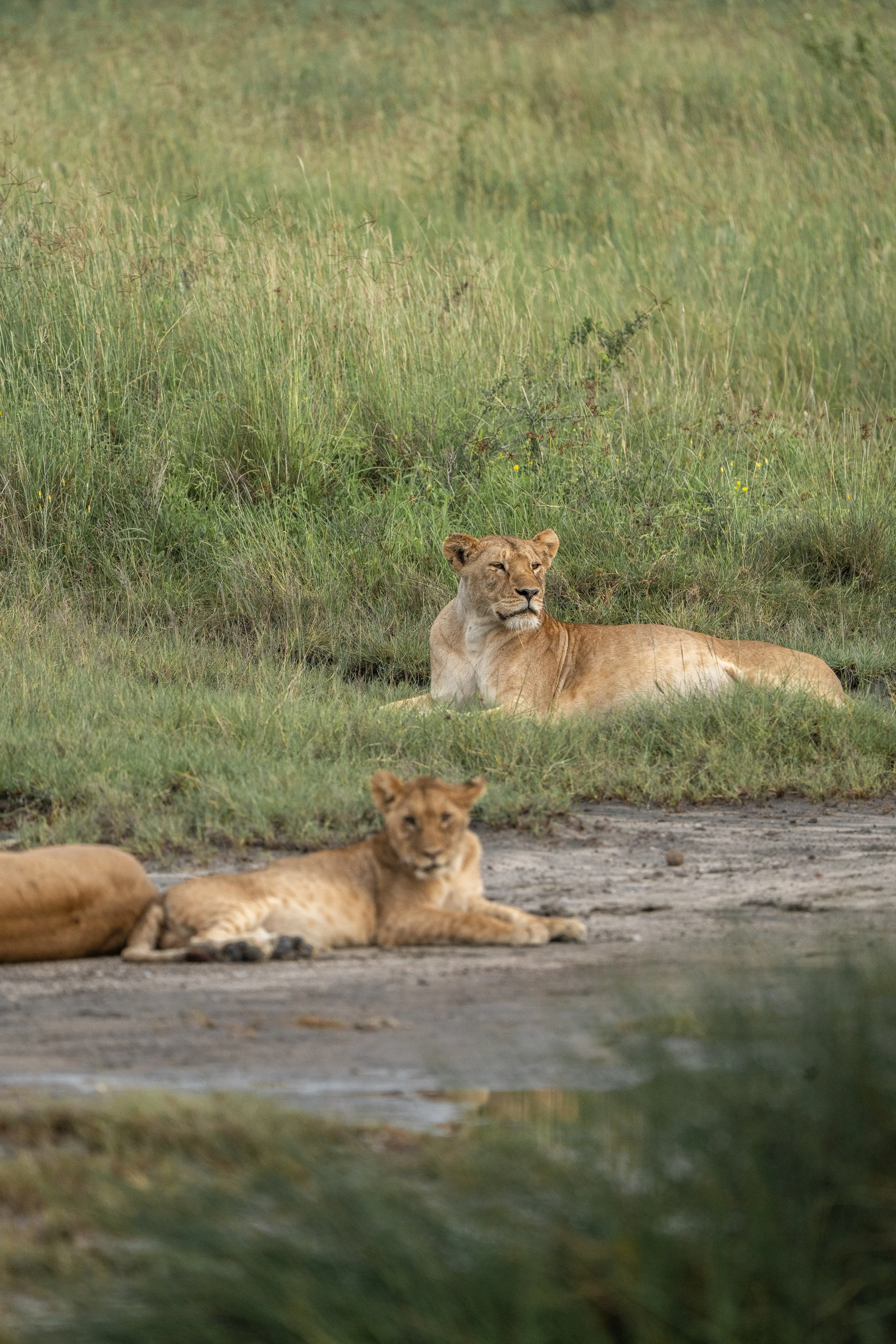
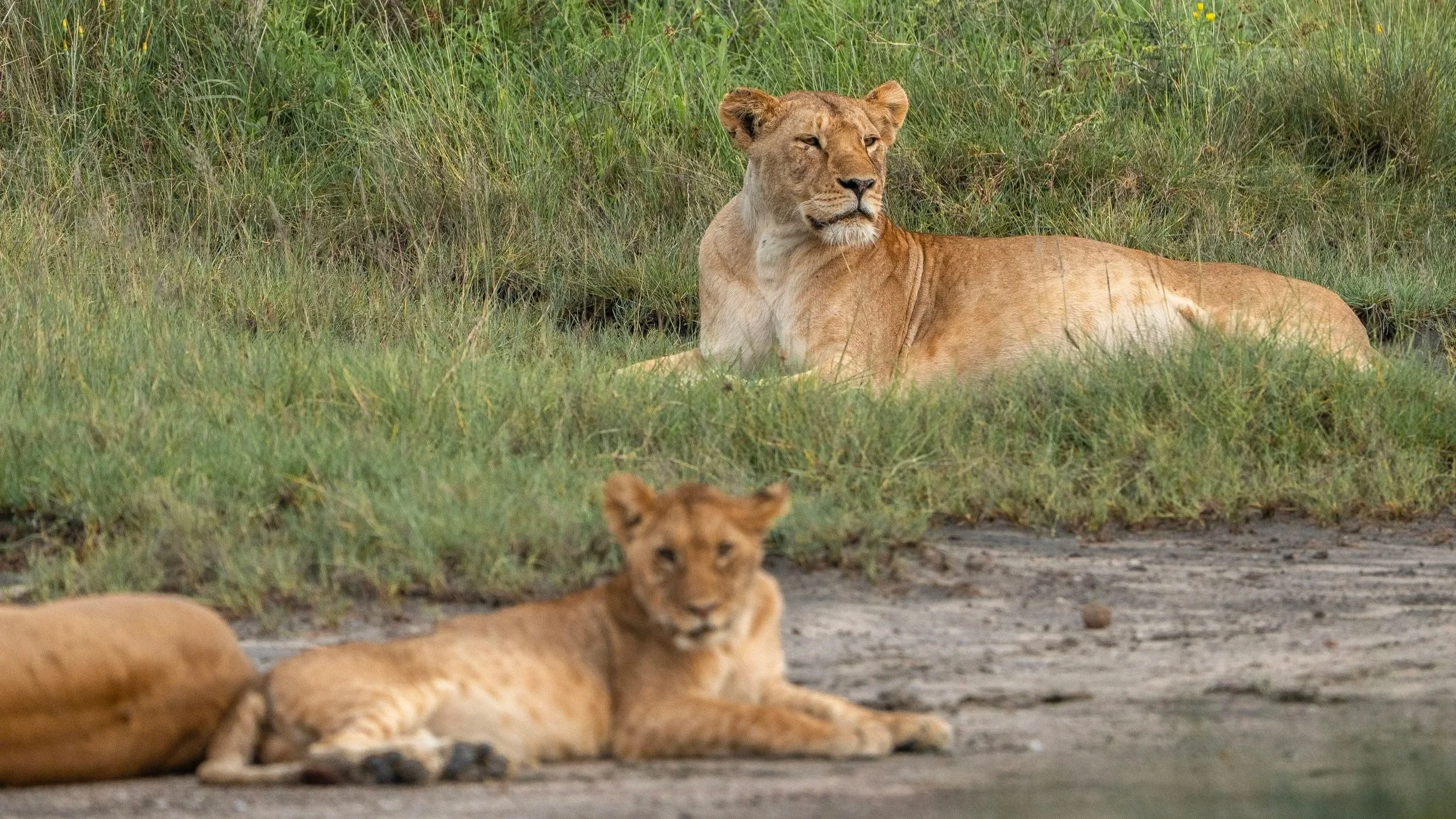
The engine cuts out, the dust settles, and a lion lifts her head in the golden afternoon light less than ten metres from your vehicle.
Everything you stressed about planning disappears. That moment is why you do this.
But getting to that moment takes thoughtful preparation. East Africa safaris are transformative, world-class experiences and a significant investment of time, money and energy. This guide is designed to help you plan yours with clarity, confidence and no nasty surprises, whether you are stepping onto African soil for the first time or returning to a continent that never quite lets you go.
Choose Your Season Wisely
The East African calendar has a rhythm, and understanding it is the single most important planning decision you will make.
Peak Season: July – October This is the most popular time to safari, and for good reason. Dry, sunny weather concentrates wildlife around water sources, making game viewing exceptional. The Masai Mara in Kenya hosts the climax of the Great Wildebeest Migration between August and October, including the dramatic Mara River crossings. Expect higher rates and more visitors at camps, the best of which sell out entirely.
Green Season: January – March The calving season in the Serengeti and Ngorongoro is one of East Africa's most underrated spectacles. Hundreds of thousands of wildebeest calves are born within weeks of each other, with predators following suit. Landscapes are lush, photographic light is extraordinary and rates are often 20–30% lower than peak. This is a genuinely wonderful time to go, and far fewer people know it.
Long Rains: April – June The quieter shoulder season. Some camps close entirely, but those that stay open offer incredible value, near-empty reserves and verdant scenery. Not ideal for first-timers, but seasoned safari travellers swear by it.
For river crossings, target August–September in the Maasai Mara.
Why use a Safari Specialist
There is a meaningful difference between booking a safari and designing one. A dedicated East Africa specialist does not simply find you availability. They build something around you.
We know the camps personally. Not from a brochure. From visits, relationships and on-the-ground intel updated each season. We know which guides are exceptional right now, which camps have changed ownership and where the wildlife actually is in the month you are travelling.
We save you money. A specialist has access to preferred rates, complimentary upgrades and itinerary combinations that direct booking simply cannot offer. The assumption that booking direct is cheaper is, in our experience, rarely true for safaris of this calibre.
We manage everything end to end. Conservancy permits, internal flights, dietary requirements, camp transfers, visa requirements and pre-departure briefings are all handled. You do not lift a finger from the moment you confirm your booking.
We are accountable. If something goes wrong in the field, whether a flight delay, a camp issue or an unexpected closure, you have a human being in your corner with the relationships to fix it. Not a call centre. Not a booking platform.
Working with a specialist costs no more than booking direct. It delivers a profoundly better experience.
The Places Most People Miss
The famous reserves are magnificent. But some of the most memorable safaris happen in the places that do not make the brochures.
Laikipia Plateau, Kenya A mosaic of vast private ranches north of Mount Kenya, Laikipia is home to rare and endangered species seldom seen elsewhere: wild dog, Grevy's zebra, reticulated giraffe and both black and white rhino. Locations such as Borana and Lewa operate on private conservancy land, meaning night drives, walking safaris and off-road driving are all permitted. It is also one of the few places in Kenya where you can see the full spectrum of predators without sharing the sighting with another vehicle.
Ruaha, Tanzania Tanzania's largest national park and one of its least visited. Ruaha has enormous lion prides, some of the biggest recorded in Africa, along with wild dog, greater and lesser kudu and a landscape of ancient baobab trees surrounding the Great Ruaha River that feels genuinely untouched. If you want to understand what East Africa felt like before mass tourism, come here.
Mara North Conservancy, Kenya Privately managed and bordering the Masai Mara National Reserve, Mara North offers everything the reserve offers and more. Off-road driving, night drives, walking safaris with a Maasai guide and dramatically fewer vehicles. The wildlife is identical. The experience is entirely different.
Loliondo, Tanzania A vast community conservancy on the Serengeti's eastern boundary, operated in partnership with the Maasai landowners. Exclusive, remote and profoundly unhurried. Loliondo sits in the Migration corridor, meaning exceptional game viewing without the crowds that gather inside the reserve. This is one of our most recommended additions for clients doing an extended Tanzania itinerary.
These places do not make the brochures. That is exactly why we love them.
Choosing the Right Camp Style
Not all safari accommodation is created equal and the style you choose shapes your entire experience.
Classic Tented Camps Canvas walls, proper beds, en-suite bathrooms with outdoor showers and open-air dining under the stars. This is the gold standard of the safari aesthetic. You hear lions at night, smell the bush at dawn and feel genuinely connected to the wilderness. This is our favourite style.
Mobile Camps These follow the Migration across the Serengeti plains, moving two or three times a year to sit in prime game viewing positions. Typically 8–12 guests, incredibly intimate and often the most immersive safari experience available. You fall asleep knowing the wildebeest are grazing fifty metres from your tent.
Lodge-Style Accommodation Permanent stone or timber structures with full hotel amenities. Excellent for families with younger children or travellers who value air-conditioning and a swimming pool. Some East African lodges are architecturally extraordinary and justify a visit in their own right.
Private Conservancies Not a camp style but the land on which the best camps sit. Private conservancies surround the national reserves under partnership agreements with local Maasai communities. They offer night drives, guided bush walks and off-road driving, all activities banned inside national parks, along with dramatically fewer vehicles per sighting. Always ask whether your camp is inside a private conservancy. It changes everything.
What to Pack
Safaris are not gear-intensive, but a few things matter enormously.
Clothing Neutral tones only: khaki, olive, sand, stone. Avoid white (shows dust immediately), black (absorbs heat) and any bright colours. Light layers are essential as pre-dawn game drives are surprisingly cold even near the equator and temperatures swing dramatically between early morning and midday. Long sleeves and trousers for dawn and dusk when mosquitoes are most active.
Camera A telephoto zoom in the 100–500mm range will serve you well from a vehicle. Bring a bean bag to rest your camera on the window sill to prevent damage and pack extra batteries and memory cards, as solar-powered camps often have limited charging points. A mirrorless body is increasingly preferred over DSLR for weight and dust tolerance.
Health and Documents High-SPF sunscreen and a wide-brimmed hat are non-negotiable. DEET-based insect repellent, prescription malaria prophylactics (consult your travel doctor 4–6 weeks before departure) and a yellow fever vaccination certificate are all required or strongly advised. E-visas are available online for both Kenya and Tanzania; apply at least two weeks before departure. Comprehensive travel insurance including emergency medical evacuation is highly reccomended.
Luggage Most internal flights in East Africa operate on small 12-seater aircraft with strict baggage limits, typically 15kg total in a soft bag only. Pack light. Almost all quality camps do daily laundry and you will need far less than you think.
Book Smart
Plan in advance. The finest camps have very limited capacity, often just 8 to 16 guests, and the best rooms in peak season are gone a year in advance. If you have specific dates or a specific experience in mind such as river crossings, calving season or a particular camp, do not leave it late.
Ask the right questions. Before confirming any booking: Is the vehicle shared or private? Is the conservancy fee included in the rate? What are the flight connections between camps? What is the camp's community and conservation ethos? What is the cancellation policy?
Prioritise sustainability. At this level of investment, you should be staying at camps with meaningful community investment and genuine conservation programmes. The best camps in East Africa fund anti-poaching units, school programmes and Maasai land lease agreements. Your stay should directly benefit the people whose land borders the wildlife areas.
Budget for gratuities. Tipping is an important part of the safari economy. Budget approximately $15–20 per day for your guide and $10 per day for camp staff as a starting point.
Working With Immersion Safaris
Planning a safari at this level is not something you should have to navigate alone. At Immersion Safaris, we have built a process that removes the guesswork entirely, from your first message to the moment you are back home with a full memory card and a very long list of animals you want to see again.
It begins with an inquiry: just a message telling us when you would like to travel and what is drawing you to East Africa. From there we arrange a discovery call, a relaxed 30–45 minute conversation where we genuinely listen to your travel style, your non-negotiables and what you are really searching for. No pitch, no pressure.
We then design a bespoke proposal built entirely around you, with specific camps, precise dates, internal flights and curated experiences. Nothing is templated. Once you are happy with the plan, we handle the booking and secure everything while managing all supplier communication on your behalf. Around 4–6 weeks before departure you receive your full pre-trip briefing, a detailed dossier covering every logistical detail, health requirement and personal tip for your specific itinerary.
Then you go on safari. And when you come home, we check in, because your experience shapes every safari we design after yours.
Ready to start planning your East Africa safari? We would love to support you plan your dream trip.
Write to us at phoebe@immersionsafaris.co and tell us where in Africa is calling you.